Recycled and reclaimed materials that still pass the NCC
Reuse is cheaper when the material already has a grade, a fire story and a clean bill of health. This essay covers evidence of suitability, contamination, and the difference between a lawful second life and a photograph of virtue.
By Priya Nair, Materials editor · 7 min read
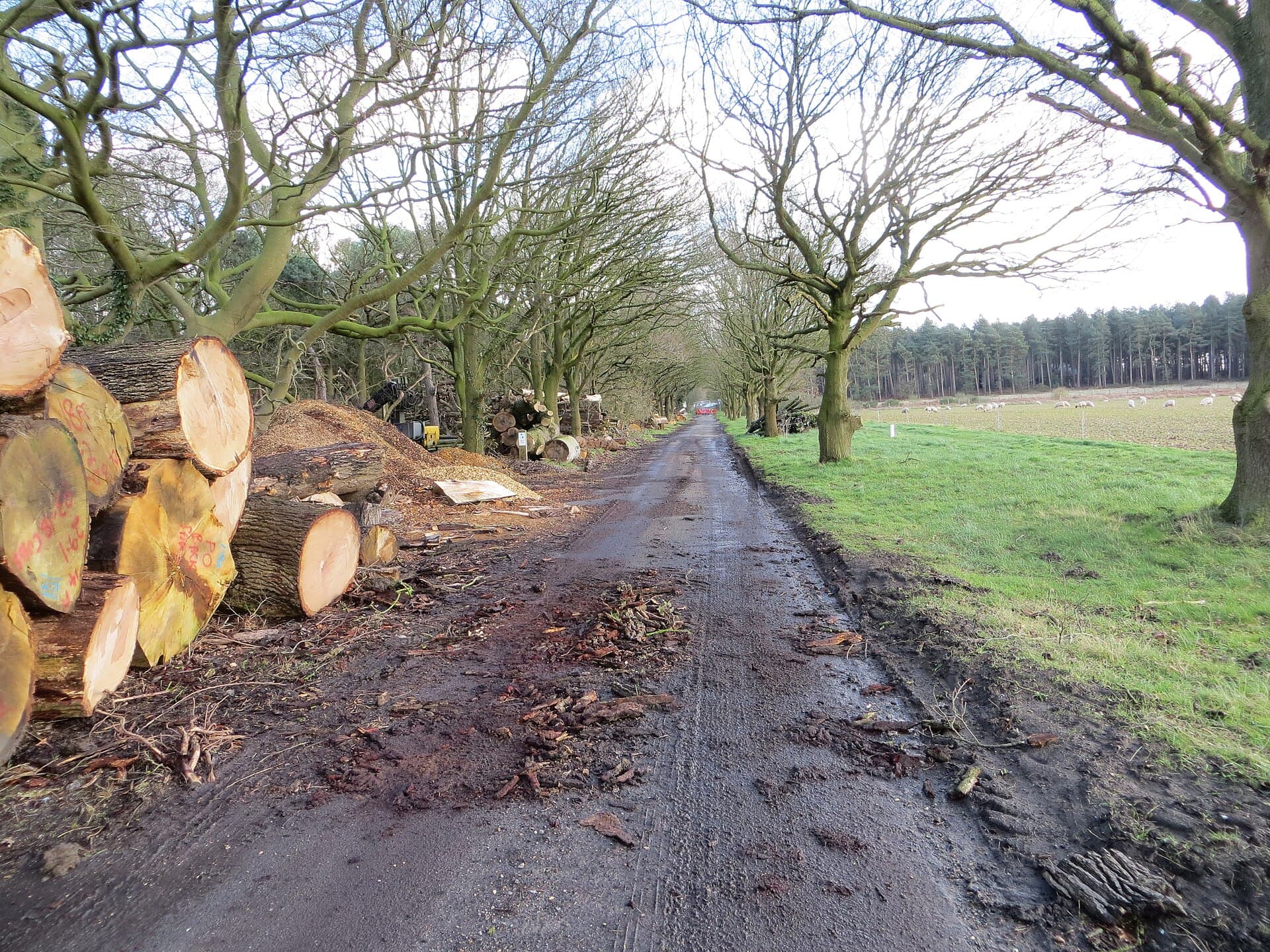
Image: Geograph Britain and Ireland. CC BY-SA 2.0. See the image credits.

Reuse has a halo. A brick with a chip, a jarrah joist with bolt holes, a steel portal that already knows its span — these objects photograph as virtue. The National Construction Code does not grade virtue. It grades evidence. A material that has already been a building is not illegal. It is unfinished as a specification until you can say what it is now: its grade, its fire behaviour, its contaminants, and the use you are putting it to.
This is the materials half of a conversation that begins, at building scale, in adaptive reuse as a concept strategy. That essay is about whether the structure can stay. This one is about whether the pieces can stay, or come from another building, and still be lawful in this one. Reclaimed hardwood, which attracts more romance than any other salvage, is specified without the folklore in Australian hardwoods.
Evidence first, story second
The NCC's evidence-of-suitability pathway is the least glamorous page in a reuse project and the only one that matters. A new product arrives with a standard, a test report, a CodeMark certificate, a WaterMark, or an engineer's declaration. A reclaimed product arrives with a past. The past is not a certificate.
You need to know, in writing:
- What the material is — species, steel grade, brick type, concrete source — not what it looks like
- What it will do in this use — structure, lining, cladding, paving, furniture
- Which standard or test speaks to that use
- Who will sign that the evidence is enough
- What happens if the piece fails inspection on site
A building surveyor shown a photograph of a warehouse and a hopeful note about "character joists" has been shown nothing. A surveyor shown a grading certificate, a treatment certificate if required, and a drawing that puts the timber where that grade is legal, has been shown a specification. Performance solutions exist for the cases the deemed-to-satisfy path will not swallow. They are a second project: a fire engineer, a test, a maintenance regime. Budget them as design, not as a moral argument at the last inspection.
Grading is how salvage becomes structure
Timber
Reclaimed timber is a structural material only after it is graded as one. Visual grading to the relevant Australian standard, a machine grade, or an engineer's assessment of a specific member turns a baulk into a beam. Without that, it is firewood with a better story.
Old Australian hardwood can be excellent. It can also be notched, bored, checked, and eaten at the ends that sat in wet masonry. The section that remains after you have cut out the bolt holes and the rot is the grade. A joist that was adequate in a shed at a low live load is not automatically adequate under a house. In-ground, above-ground, inside, outside, in a BAL zone — these are different jobs. If you cannot establish durability class and moisture, do not put the timber where the weather or the ground can reach it.
Steel
Structural steel is the salvage that most often passes without theatre. A universal beam with a known designation, a clean bill of corrosion, and a fabricator who will cut and test as required is a product the Code already understands. Mill certificates from a previous life are gold. In their absence, testing and an engineer's call can still get you there.
What fails is steel that has already been a chemical plant, a marine pile, or a lintel sitting in a wet cavity for forty years. Corrosion is not patina when it is section loss. Coatings may be lead. Fire protection painted on in 1982 is not the intumescent system on your drawing. Strip the story back to section and steel grade, then reapply fire and corrosion as new work.
Masonry and concrete
Reclaimed bricks can be laid again if they are sound, if the mortar can be cleaned without destroying the face, and if you know whether they will take the load or the ties. Old lime mortar and new cement mortar do not share a personality. Matching a heritage wall is a conservation specification. Building a garden wall from clean commons is a cheaper, quieter reuse.
Recycled aggregate in new concrete is a plant product with a mix design, not a pile of crushed demolition on the site. The latter is fill until a specification says otherwise. Do not bury a former industrial slab under a house and call it sustainability. Call it a geotechnical risk with a halo.
Fire is not inherited
A material's previous building had a fire strategy. Yours has another. Reclaimed timber inside a house may be fine as lining and impossible as an external deck at BAL-29. An old door with an hour of history is not a fire door. A brick wall that was loadbearing and thick may still be a good fire wall. A brick wall that is now a veneer tied to a new frame is cladding.
Change the use — warehouse to dwelling, church to bar — and the old materials must pass a new test. Salvage used as decoration is usually easier to evidence than salvage used as structure or as an external wall. That is a map of where the Code is actually looking. A reclaimed hardwood screen that would have been a lovely north shade on a BAL-LOW site can become unlawful, or merely uninsurable, on a mapped lot. If the salvage cannot live inside the standard, keep it for a bench.
Contamination is why "free" material is not free
Many of the buildings people strip were used for work that left a residue. Lead paint on old joinery and steel. Chromated copper arsenate in timber that was in-ground or in a fence. Oil in a workshop floor. Asbestos in a sheet that looks like a lining, a roof, a vinyl. A tank that sat in the yard.
You need to know this before the material arrives on the new site. A hazardous-materials survey on the donor building is how you avoid making the new house a repository. CCA timber does not belong in a kitchen bench. Oil-soaked timber does not belong in a clean fill. A cubic metre of "free" timber that yields two usable metres and a trailer of prescribed waste is a procurement method with a yield.
Chain of custody matters for another reason. Some timber sold as reclaimed is simply timber. Australia's illegal-logging diligence still applies to imported species that arrive with a romantic story and no paperwork. If you cannot say where it came from, you have a risk.
When reuse is cheaper than theatre
Reuse is cheaper when the piece already does the expensive work and the evidence is cheap to obtain:
- Steel members with known designations, cleaned and re-certified, used as steel
- Bricks, cleaned, used as bricks in a wall that does not have to match a museum
- Hardwood, graded, used in spans and weathers it can still survive
- Windows and doors used where they need not be fire doors, BAL-rated products, or the only thing standing between a bedroom and a western sun
- Fixtures and linings that do not have to perform as structure or as a wet-area system
The savings are in the material you did not buy and the demolition you did not send to landfill. They are not in labour. Sorting, denailing, grading, testing and making junctions between old and new are skilled hours. Price them.
Theatre is the other ledger. A facade kept as a skin in front of a new frame, a pair of trusses hung from new steel, a brick wall that is no longer loadbearing and must be tied and flashed as cladding — these can be the right civic answer. They are not a saving. If you are paying for a new performance and keeping only the look, you are buying a finish.
Another kind of theatre is the product that is recycled in the brochure and ordinary in the wall. Recycled-content plasterboard, steel with scrap in the melt, aggregate in a certified mix — these are good, dull, industrial facts. They pass the NCC because they are made to the same standards as the virgin versions. Specify them as products. Do not specify "as much recycled material as possible" and leave a contractor to invent a compliance pathway on a Saturday.
Fabric with a grade is reuse. Fabric with only a story is a set. The Code will pass the first and photograph the second, then ask you to replace it.
A short method that keeps everyone honest
Walk the donor material the way you would walk a donor building. Reject with a reason. Test what you cannot see. Grade what will carry load. Put fire, BAL and wet areas in the uses that need new, certified assemblies. Put the salvage where the Code is looking somewhere else — a lined interior, a bench, a garden wall, a beam an engineer has signed.
Write three columns on the first specification page: keep as structure, keep as lining, keep as story. An estimator can price all three. They cannot price "keep the character". Reuse will not automatically be cheaper or faster. It will be more particular. If you are willing to do the evidence, the grading and the contamination work, the second life is real. If you are not, buy new products with recycled content and a certificate, and leave the halo for the furniture.
Questions from the job
- Can I use reclaimed timber as a structural member in a new house?
- Only if it can be graded, or otherwise evidenced, for the stress and the durability the job needs, and if the fire and termite stories still hold. A beam that was a warehouse rafter is not a beam in a house until someone who can grade timber says so in writing. If you cannot get that writing, use the timber where the Code is quieter — lining, furniture, a bench — and buy a new member for the load.
- Does a recycled-content product automatically satisfy the NCC?
- No. The Code asks whether the product is suitable for the use, not whether it was virtuous in a previous life. You still need evidence of suitability — a standard, a test, a CodeMark, a WaterMark, an engineered solution. Recycled content is a procurement story. Suitability is a building story. They can be the same product. They are not the same sentence.
Keep reading in Materials
Materials
Choosing between timber, steel and masonry in 2026
Fire, span, labour, lead time, thermal behaviour and termites decide the frame more honestly than a mood board. This essay sets out when timber, steel and masonry still win on an Australian site, and what the NCC will ask of each.
Priya Nair · 10 September 2026
Materials
Concrete done properly in an Australian climate
Mix, cover, heat and shrinkage decide whether a slab is a structure or a claim. This essay covers exposure classification, curing in real weather, and pouring on reactive clay without rewriting the engineer's assumptions.
Priya Nair · 11 August 2026
Materials
Windows, thermal mass and the forgotten facade
Glazing ratio, SHGC and eaves decide the rooms. Mass only works when it is coupled to shade and night air. This essay treats the wall that is not the view as the climate work a house cannot skip.
Priya Nair · 16 June 2026